Building a Learning System That Compounds Over Time
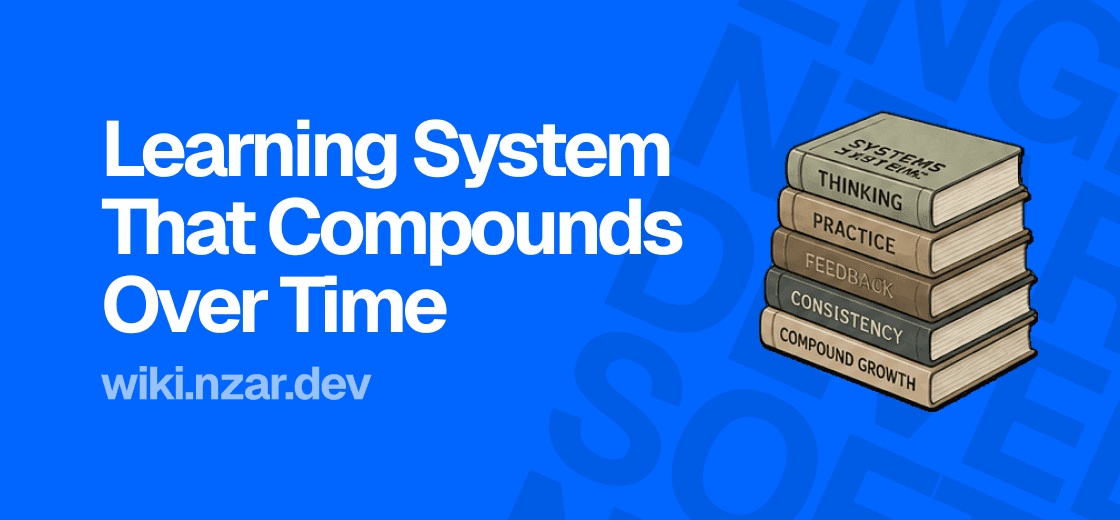
Two people start learning to code on the exact same day. A year later, one of them is noticeably further ahead, not because they're smarter, but because of something quieter: how they actually spent that year.
This article is about that quiet difference, and it closes out this part for a reason. Everything before it, decomposition, debugging, reading errors, using AI well, writing clean code, are all individual skills. This one is about how you keep building all of them, for the rest of your career, not just while you're reading this wiki.
Why Raw Hours Aren't Enough
It's tempting to think progress is just a function of time put in. Watch enough tutorials, write enough code, and improvement should follow automatically. It doesn't, not on its own. Two people can spend the exact same number of hours and end up in very different places, because how those hours were spent matters just as much as how many there were.
Passively watching someone else code, without ever getting stuck yourself, teaches you far less than struggling with a real bug for twenty minutes and finally solving it. The debugging process from a few articles ago, the actual discomfort of not knowing, is often where the real learning happens. Time spent avoiding that discomfort is time that doesn't compound nearly as well.
The Compound Effect
Here's an idea worth holding onto, and we'll come back to it in much more detail at the very end of this wiki in the Career chapter. For now, just think of it as a small seed. Small, consistent effort builds up over time just like a snowball rolling down a hill. A single flake of snow added today looks tiny and useless. But as it keeps rolling year after year, it gathers more snow faster and grows into something huge. This happens because every new thing you learn connects to what you already know, making the next lesson even easier to understand.
This is exactly why the gap between two developers widens so much over a year, even if neither one had some huge breakthrough moment. Small, consistent additions to your understanding, stacked day after day, produce results that don't feel like they should be possible from the size of any single day's effort.
Learning by Explaining, Not Just Consuming
One of the fastest ways to actually test whether you understand something is trying to explain it, the same idea behind the rubber duck method from the debugging article, just applied to learning in general. Writing a short note explaining a concept in your own words, or explaining it to a friend, forces you to notice the exact spots where your understanding was not as clear as you thought.
This doesn't need to be public or polished. A rough paragraph in a personal notes app, written right after you finally understand something that confused you an hour ago, is often more valuable than another hour spent passively reading about it.
Reviewing on Purpose
New information fades fast if you never revisit it. A concept you learned once, and never looked at again, is far more fragile than one you've deliberately circled back to a few times. This is the same idea behind spaced repetition, revisiting something right as you're about to forget it, which locks it in far more efficiently than cramming it once and moving on.
You don't need a formal system to benefit from this. Occasionally reopening old notes, or old projects, and asking "does this still make sense to me" is often enough. If it doesn't, that's useful information too, it tells you exactly what's worth another look.
Building Things vs Just Watching Things Get Built
It's easy to fall into a loop of endless tutorials, one after another, each one feeling productive in the moment, without ever building something of your own from a blank file. This pattern has a well-known nickname in the industry: tutorial hell, watching a lot, building very little.
The fix isn't to stop learning from tutorials, they're genuinely useful for seeing a concept demonstrated clearly. The fix is making sure you regularly close the tutorial and build something small yourself, using nothing but what you just learned, even something tiny. That's where the real decomposition, debugging, and searching skills from this entire part actually get exercised, not while watching, only while doing.
Keeping a Personal Knowledge Log
Here's a habit worth starting early: keep a simple, running log of problems you've solved and what the actual fix or explanation was. Nothing fancy, a plain notes file works fine. When you finally figure out a confusing bug, write two or three sentences about what caused it and how you found it.
Over time, this becomes something genuinely valuable: a personal reference, built entirely from your own hard-won experience, that's often faster to search than the general internet, because it's filtered down to exactly the kinds of problems you actually run into. It also makes the searching skills from a couple of articles ago even more powerful, since half the time, the fastest search is through your own past notes first.
Why Consistency Beats Intensity
Doing a huge, intense study session once in a while feels productive, but it does not stick as well as a small habit done every day. Doing a little bit consistently almost always beats doing a lot all at once. Just like rolling a snowball, small daily efforts build up over time into something much bigger.
This doesn't mean big focused pushes are bad. It means the habit underneath them matters more than any single session does. Something small and sustainable, 10min or 20min most days, tends to still be running a year later. Something that only works as an occasional heroic effort tends to quietly stop, the first time life gets busy.
Why This Matters
Every skill covered in this part, breaking problems down, debugging calmly, reading an error properly, searching well, using AI without losing your own edge, writing code someone else can actually read, gets sharper with deliberate, consistent practice, and dull without it. None of them are things you learn once and keep forever, automatically.
This article is really the seed of the very last thing this entire wiki has to say to you, which you'll reach properly at the end of the Career chapter, much later. For now, just start the habit early: build small things, explain what you learn, keep a log of what you figure out, and show up consistently, even in small amounts. A year from now, the gap between where you are and where you could be won't come down to talent. It'll come down to exactly this.
Go Deeper
If this topic clicked for you and you want to build a real system around it, these two are worth your time:
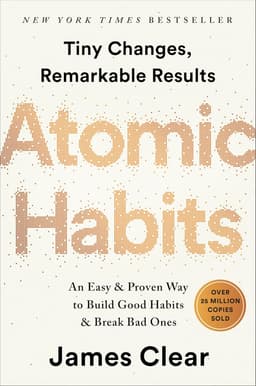
Atomic Habits. by James Clear
One of the clearest, most practical books on how small, consistent habits compound into large results over time.
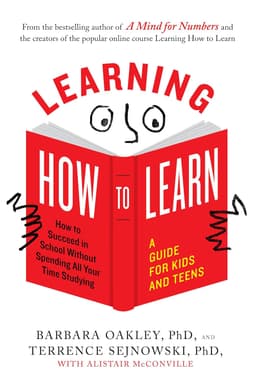
Learning How to Learn. by Barbara Oakley
One of the most popular free courses ever made on the actual science of how learning works.
- "Atomic Habits" by James Clear. Not a coding book at all, but one of the clearest, most practical books on how small, consistent habits compound into large results over time, exactly the mechanism behind everything in this article.
- "Learning How to Learn," a free course by Barbara Oakley, available on Coursera. One of the most popular free courses ever made on the actual science of how learning works, including spaced review and why active practice beats passive consumption, directly backing up several of the habits covered here.
Start with "Learning How to Learn" if you want the science behind why these habits actually work. Pick up "Atomic Habits" once you're ready to build a real, sustainable system around them, in coding and everywhere else in your life.